Menopause and Oral Health: Key Concerns For Women

Table of Contents
Introduction
I was shocked to learn just how many women were unaware of the issues concerning surgical menopause and oral health. Shocked but not surprised.
Natural menopause typically happens somewhere around age 51, give or take a couple of years. In surgical menopause, the cessation of your periods happens abruptly and all at once. Your body simply doesn’t have any time to get used to the symptoms of estrogen withdrawal.
You can read more about the differences between natural and surgical menopause here. 👈🏻
In my own journey through surgical menopause, I’ve been reminded more than once that I’m not dying, I’m changing and that I don’t have to sit back and let this bowl me over. There are things that we can do to keep ourselves healthy and vibrant for the years to come.
This post may contain affiliate links, which means I’ll receive a commission if you purchase through my links, at no extra cost to you. Please read full disclosure for more information.
1. The Estrogen/Menopause and Oral Health Connection
WOW! The more I research surgical menopause and oral health for this blog, the more I’m blown away from what I discover.
In surgical menopause, the hormone production stops abruptly, which causes dry mouth and it’s directly linked to tooth decay.

Common Oral Symptoms After Surgical Menopause
Dry mouth (xerostomia): When estrogen is decreased/cut off, it causes the saliva production to decrease/stop and the consistency of the saliva is altered as well. This leads to cavities and eventual tooth loss, without intervention.
Saliva, when produced normally, is like your body’s own mouth rinse. It washes away food particles and even neutralizes acids, helping to keep your mouth moist and healthy.
Personal Note: I have to say that during my own research for this blog and my own experience with surgical menopause, in all of it’s glory, I have such HUGE admiration for this body that I live in.
We are ALL walking miracles you guys!!!
Burning mouth syndrome: The reduction of estrogen can also trigger BMS, which is a burning sensation in the mouth, tongue and lips. It isn’t actually burnt but it feels that way! There are some vitamin deficiencies and medication interactions that may cause it but one of the biggest factors is low estrogen. OMG! “Can we get a break over here?”
Taste alterations: Some women notice a metallic or bitter taste post menopause.
Increased sensitivity: Estrogen deficiency causes dryness and a thinning of the oral mucosa which increases sensitivity to pain. Again, the more I read, the more angry I become! No one told me ANY of the information that I’m finding.
Here’s a few more symptoms/issues that estrogen loss causes in our mouth.

- Sore, inflamed and/or bleeding gums
- Tooth sensitivity
- Loose teeth
- Bad breath
Problems swallowing, choking. I’ve been reading just recently about this being a HUGE problem for women who’ve had their ovaries removed, (oophorectomy.)
All of these symptoms, if not recognized and treated in a timely manner, can possibly lead to tooth loss, periodontal (gum) disease, TMJ or osteoporosis in the jaw.
I don’t know about you, but this scares the crap out of me!! We only have one set of teeth and personally, I wasn’t shown at a younger age how to properly care for my oral health. I figured it out eventually but not till after having multiple fillings!
It was by watching my grandfather, that it finally dawned on me that cavities usually start “between” the teeth and by flossing AND brushing more, I could keep myself out of the dentist’s chair.
Here’s another article that I found on “problems swallowing,” and how the decline of estrogen is more responsible for it than aging.
2. Preventative Care Recommendations
Brushing:
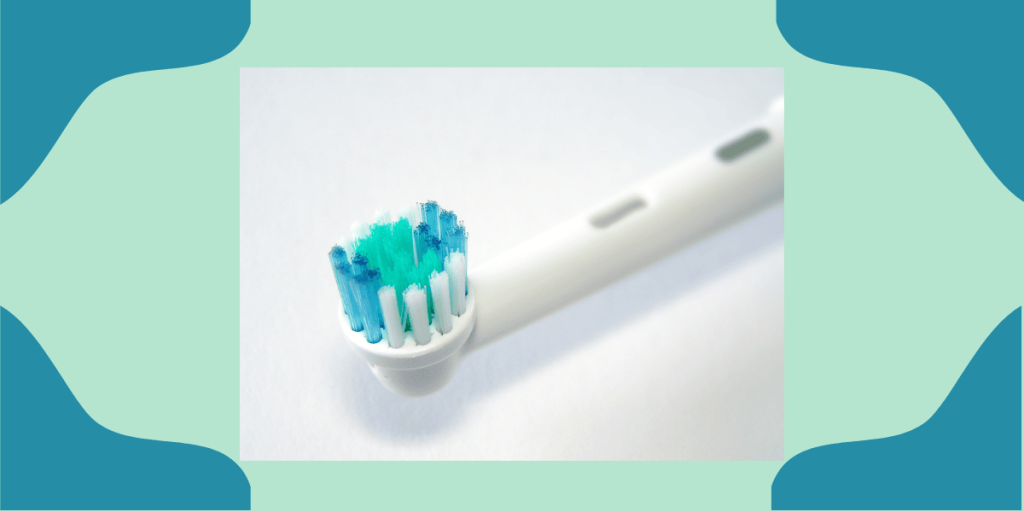
You should be brushing twice a day, no matter what. When I was younger, I always used a hand held toothbrush but once I got a quality electric toothbrush, I was hooked.
When used properly, all you have to do is guide the handle and the brush does all the work.
Flossing:
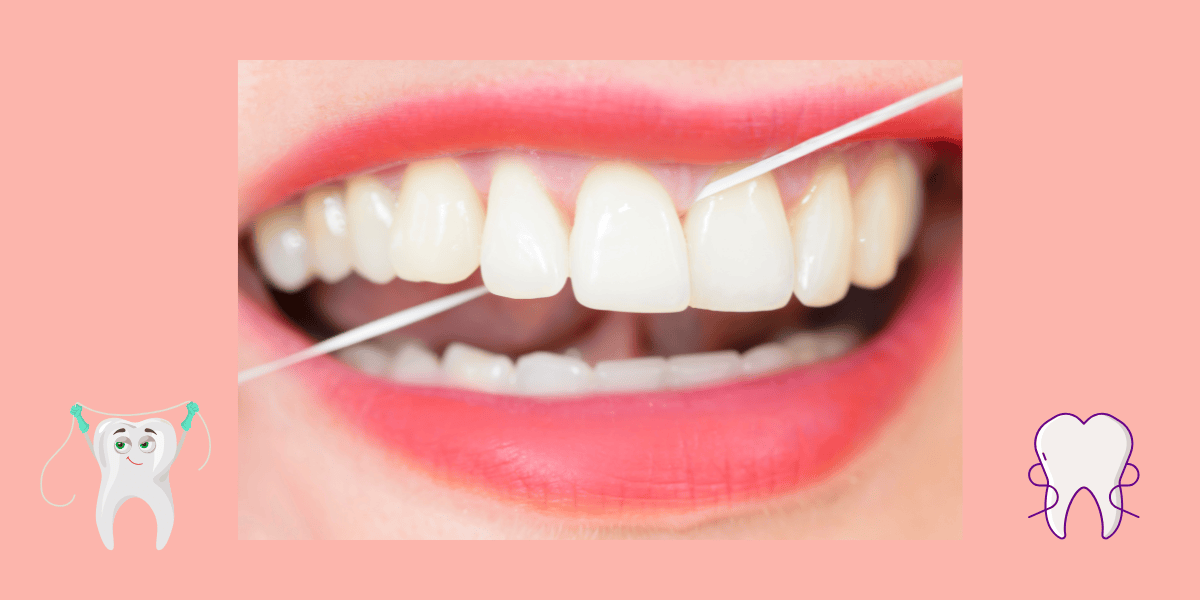
Floss once a day, at least. I watched my grandfather floss all the time and when he died at 91, he had all of his own teeth and only one small cavity that had been filled! I started flossing soon after hearing this fact!!
If your gums bleed when you floss and you haven’t been flossing regularly, just be gentle and keep flossing!
Gums that are irritated and swollen may bleed a little, but it will stop after a short time of regular flossing. Bad breath will also disappear, I promise you that!!
I’ve found it so helpful to just have my teeth professionally cleaned every six months, no matter what!
I think it’s a great way to remember and you’ll catch any problems before they become expensive ones.
Teeth Cleaning:
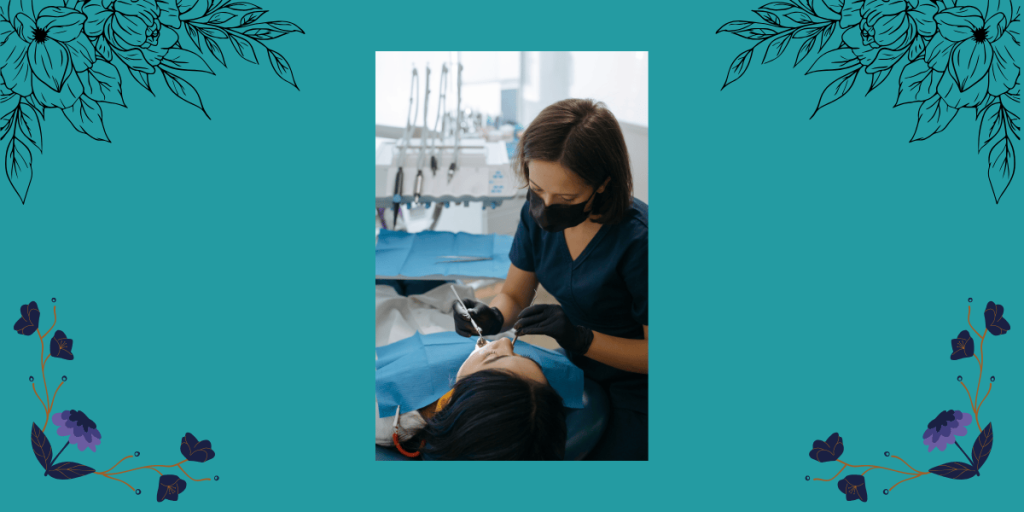
I pretty much swear by having my teeth cleaned every six months. I’ve never been so adamant about this until surgical menopause. It’s also going to be at these cleanings that your dentist will see anything out of the ordinary with your health, starting in your mouth!
Teeth Whitening and Sensitivity:
If your teeth are sensitive like mine, find a good quality toothpaste like Sensodyne or see what your dentist recommends or prescribes.
Keep in mind that you should be careful with whitening products! I get trays from my dentist and they are $15.00 for each one. I’ll use one and then another 2-3 days later and then try to do maintenance after that.
I really believe that too much whitening products can make sensitive teeth even worse if overused.
Quick Note: If you’re a coffee drinker like me, always wait a couple of hours AFTER whitening before you have more coffee. Otherwise, you’ll end up setting the stain from coffee in your teeth.
Daily Oral Hygiene Products
Floss:
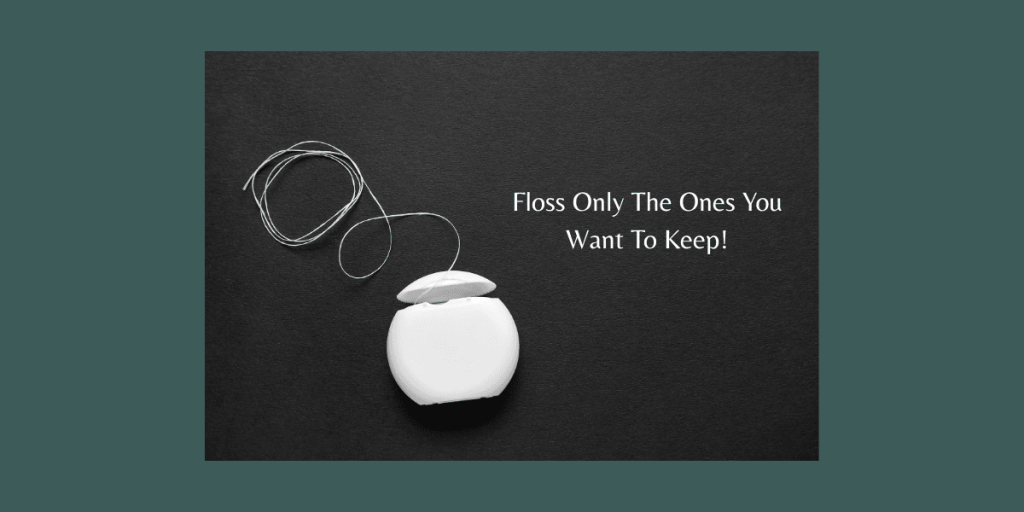
There’s a poster in my dentist’s office that reads, “Floss Only The Ones You Want To Keep.” I just love that! It’s so true and I’m completely sold on floss.
However, there are many different kinds of floss and they are definitely NOT the same. I don’t like unwaxed floss because for me, it shreds and then I feel like it’s stuck between my teeth. I have four crowns and I need a floss that is dental work friendly.
I use Oral-B Glide Pro Health Comfort Plus Floss in Mint, pictured above.
Interdental Cleaning Products:
If you’re not familiar with these, they are items used for cleaning between your teeth, in addition to brushing. Most cavities start between teeth and brushing only removes about 60% of plaque.
Items like:
Floss: Or dental tape. I’m not a big fan of dental tape because it just doesn’t make my teeth feel “clean.”
Interdental Brushes/Picks:
These are 2-3 inches long and are made from a metal core with soft nylon filaments. I was recently referred to the GUM Soft-Picks and was told that these worked better than floss. They do work very well where floss can’t quite fit, so I’ll be using both floss and picks.
Specialized Mouthwash:
There are different mouthwashes you can choose from that help dry-mouth or treat an infection. Find a good alcohol-free mouthwash with fluoride to keep your mouth and tooth enamel healthy. Your dentist can prescribe all manner of mouthwashes for dry mouth or BMS, (burning mouth syndrome.)
Sugar-free gum or lozenges can help keep your mouth moist too. Warm salt water rinses are great if you have minor gum irritation and always be sure to stay hydrated throughout the day because overall, that will help you stay moisturized from the inside out!
Tongue cleaning:
For some people, this is not only hard, but gross!!
Some people actually gag to the point of throwing up when they try to brush their tongue. I didn’t realize how important tongue cleaning was!
Did you know that your tongue is covered in bacteria AND plaque? I did not know this and this really motivates me to brush…like right now! 🪥
3. The HRT Consideration
If you are put into surgical menopause and you are eligible for HRT, (hormone replacement therapy,) it will most likely prevent or cure most of the oral issues in this article.
I never would’ve known that my oral health might be in jeopardy when I had my hysterectomy and bi-lateral salpingo oophorectomy, (removal of uterus, cervix, ovaries and fallopian tubes.)
It’s very unsettling to learn all of the things I’ve learned and knowing that my doctor didn’t tell me ANY of them!
So, on that subject, I strongly urge you to be your best advocate with your physician. They aren’t going to do this for you. There are a few good ones out there but they are hard to find!
There are those of us that cannot use HRT due to a cancer diagnosis, other health risks or because they choose not to. That woman should not be penalized by this. She is just as deserving as anyone else!
Talk with your physician and depending on what your choices are, concerning hormone therapy or not, make a game plan for your health and oral health that works for you, specifically.
4. When to Consult Which Professional
What I would do now, considering what I have researched, would be to definitely get a basic physical and dental cleaning performed a couple of months “before” surgery.
Then I would find a menopause specialist in your area. If you don’t have access to one in person, see if there is one via tele-health. This is super convenient! If those options aren’t available to you, then find a gynecologist who you can trust and just sit down and have a long talk. Bring paperwork with you for your patient notes. (I’ll be providing a worksheet for you to print out soon!)
Finally, make sure that all of these doctors can share your medical documents with each other, so everyone is on the same page.
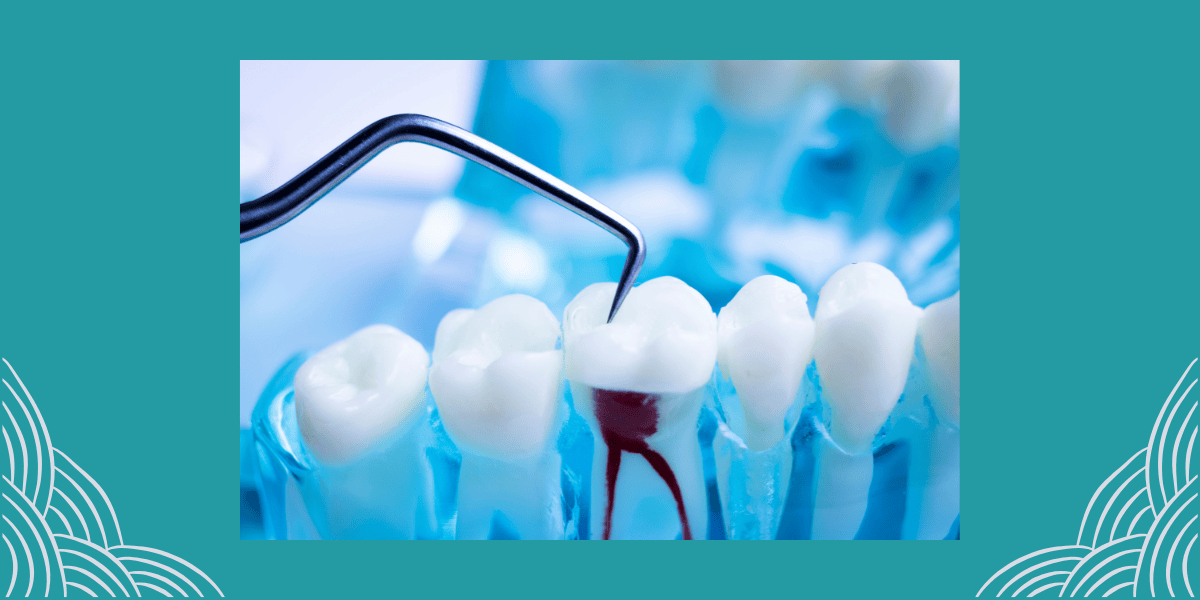
Consult your dentist if you are experiencing soreness, pain or any bleeding of the gums that is not normal for you. As I write this post, I’m dealing with a tooth that needed another filling and this time it was a little deeper. Sometimes if a filling is too deep, the nerve can die and it is super painful!
Nutrition for Oral Health After Surgical Menopause
Your basic healthy nutrition is still going to be the best bet for your oral health. Stay focused on hydration always! Make sure you’re eating lots of fruits, dark leafy veggies, and whole grains.
If you are a smoker like I was, quit now. For the love of Pete, please quit! I smoked for way too many years and I just didn’t “get it.” Now I finally understand and quitting really isn’t that hard, once you make the decision that you’re done.
Do you drink soda?? STOP IT!! This is not only bad for your teeth but bad for your health as well.
P.S. I am VERY opinionated on some subjects, sorry, I just have had or seen a lot of bad things that were caused by making bad choices and I want to stop that for other people if I can.
Anti-inflammatory foods:
This is your basic healthy diet but I would really hone in on whole grains, fatty fish, (especially salmon,) fermented foods like, yogurt, kefir and kimchi, are really good for gut health and finally, spices, such as, ginger, turmeric and curry powder are all good examples of anti-inflammatory foods and spices.


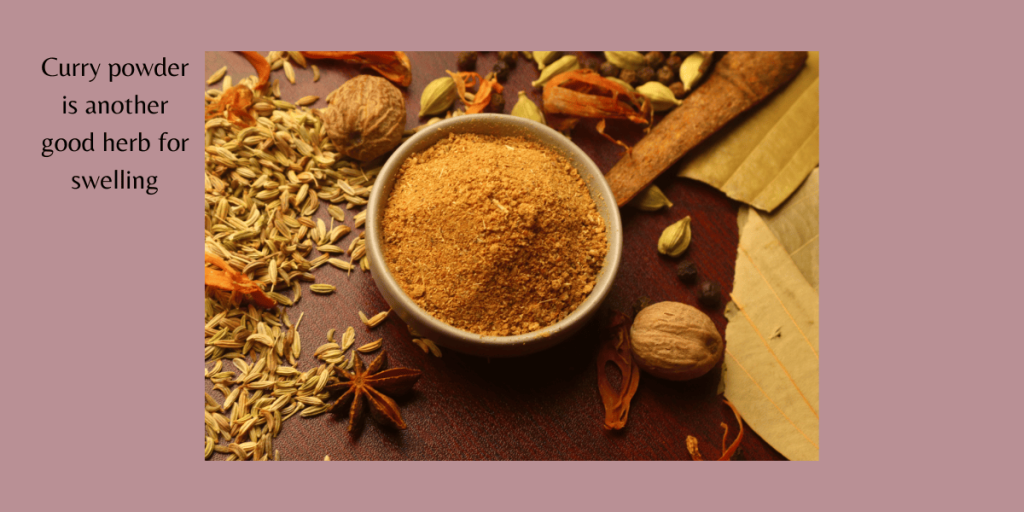
Here are some good recommendations for anti-inflammatory supplements!
Foods and beverages: What to limit should be the obvious, but if you need a reminder, I’m more than happy to help!! 😁
Processed and ultra-processed foods are just awful for you and I’ve felt this way for a very long time. They just don’t have any value, in my honest opinion.
This includes foods high in unhealthy fats, sugars and sodium which contribute to swelling. Sugary drinks and red meat and refined carbohydrates can all contribute to inflammation as well.
Supplements to consider: Omega 3 fatty acid supplements work! Read this test!
CoQ10, curcumin, (so long as it does not cause hot flushes for you!) vitamin c, zinc, and hyaluronic acid, which I’m currently taking for a nail, skin and bone supplement. It works very well!!
5. Mental Health Connections
Depression and oral self-care:
When we are stressed or depressed, we tend to NOT take care of ourselves very well. I’ve been guilty of this myself, like failing to do the flossing or not brushing enough.
Cravings for sugary foods and comfort eating can not only put unwanted weight on but it can cause our oral health to be put aside. So try to keep stress and depression at bay whenever it’s possible.
Stress, anxiety or anger/rage can wreak havoc on our body as a whole and it really affects our teeth. Teeth clenching or grinding is something I’ve done for years in my sleep. I actually had to have a mouth guard fitted from my dentist.
My step-father would grind his teeth so bad, that over the years, they wore down and he had so much pain that he had to have them ALL pulled and use dentures! Not good!
This is a great article about how important counseling is in peri or surgical menopause.
Conclusion
So, as you can see, there is a lot to cover in this menopause/surgical menopause thing that many doctors don’t tell us much about and many more think it’s really not that big of a deal.
I’d like to see those same people go through it briefly and then see what they think!! 😂🤣😅
Seriously, as far as our oral health goes, we have much that is in our control, thankfully!! Like I’ve said in past articles, start taking care of your health now, rather than when you have no other choice.
Making these healthy choices before perimenopause, menopause or God forbid, surgical menopause and you will thank yourself later.